What’s a Pygmy Wombat?
The other day, I was minding my own business, when this little guy popped up in my social media feed!
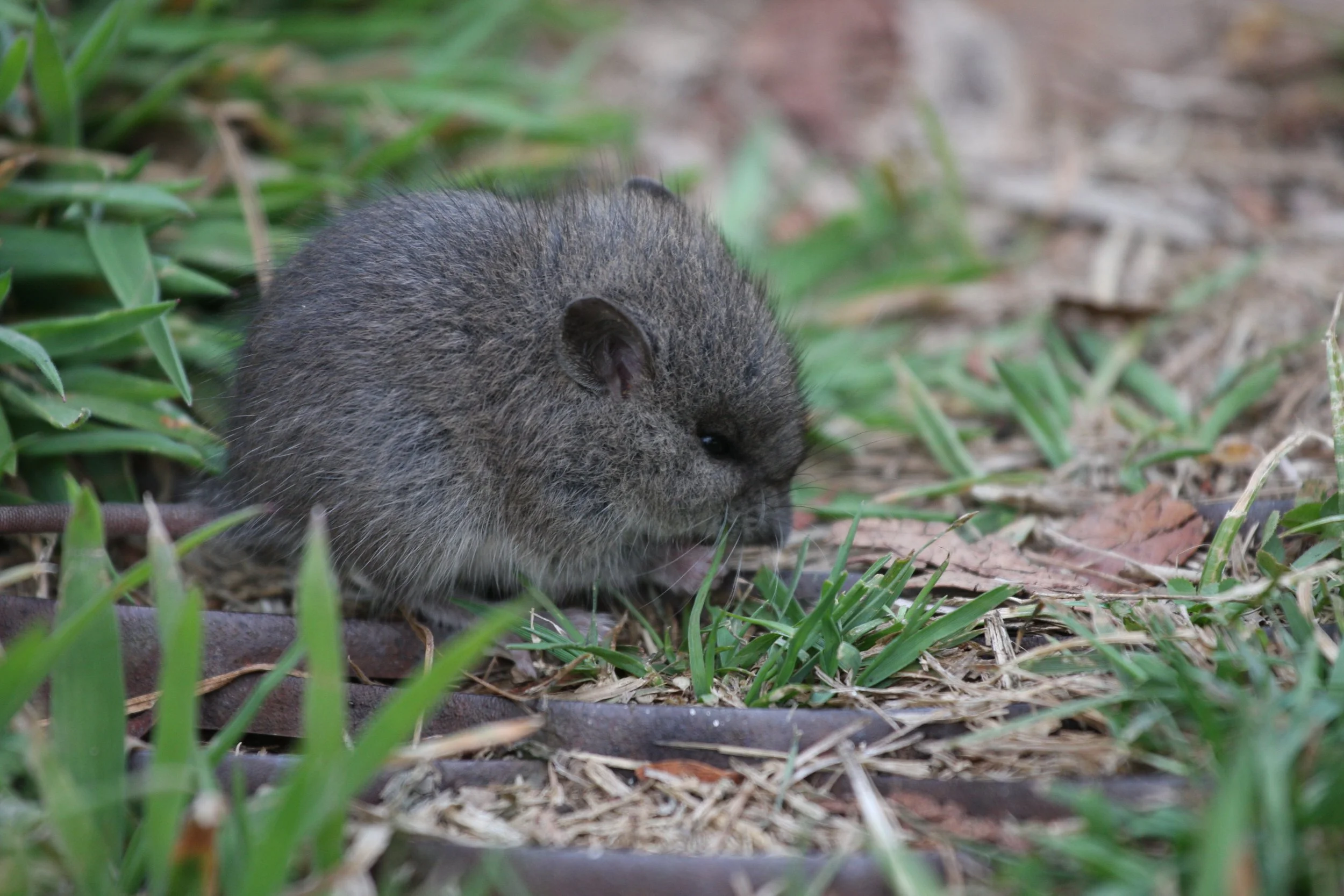
He’s so small and sweet! The original post I saw called him a pygmy wombat. And as a big fan of regular wombats, I wanted to learn more about him!
The first thing I noticed about this animal besides his cuteness was his tail. This made me ask some questions. Was he really related to the common wombat? Was he a marsupial? I did some research and learned something very interesting. Pygmy wombats aren’t wombats at all!
“Pygmy wombat” is actually a nickname for an animal called the Broad-Toothed Rat. The broad-toothed rat is native to Australia, and it is endangered. But wait, there’s more! The broad-toothed rat is also…not a rat! They are smaller, softer, and more mild-mannered than a regular rat, and belong to a completely different animal group. They are more like a gerbil. These cute animals only live in southeastern Australia, and a few have been found on the island of Tasmania.
Because there are so few of them, a place called Aussie Ark began a captive breeding program for them in the hopes that they can help more of these little animals survive. They captured some of the broad-toothed rats in the wild, and encouraged them to have babies. Then they teach the babies how to live in conditions like they would see in the wild. When the babies are old enough, they release them into the wild to their natural habitat. Hopefully because of programs like this, the broad-toothed rat won’t be endangered one day.
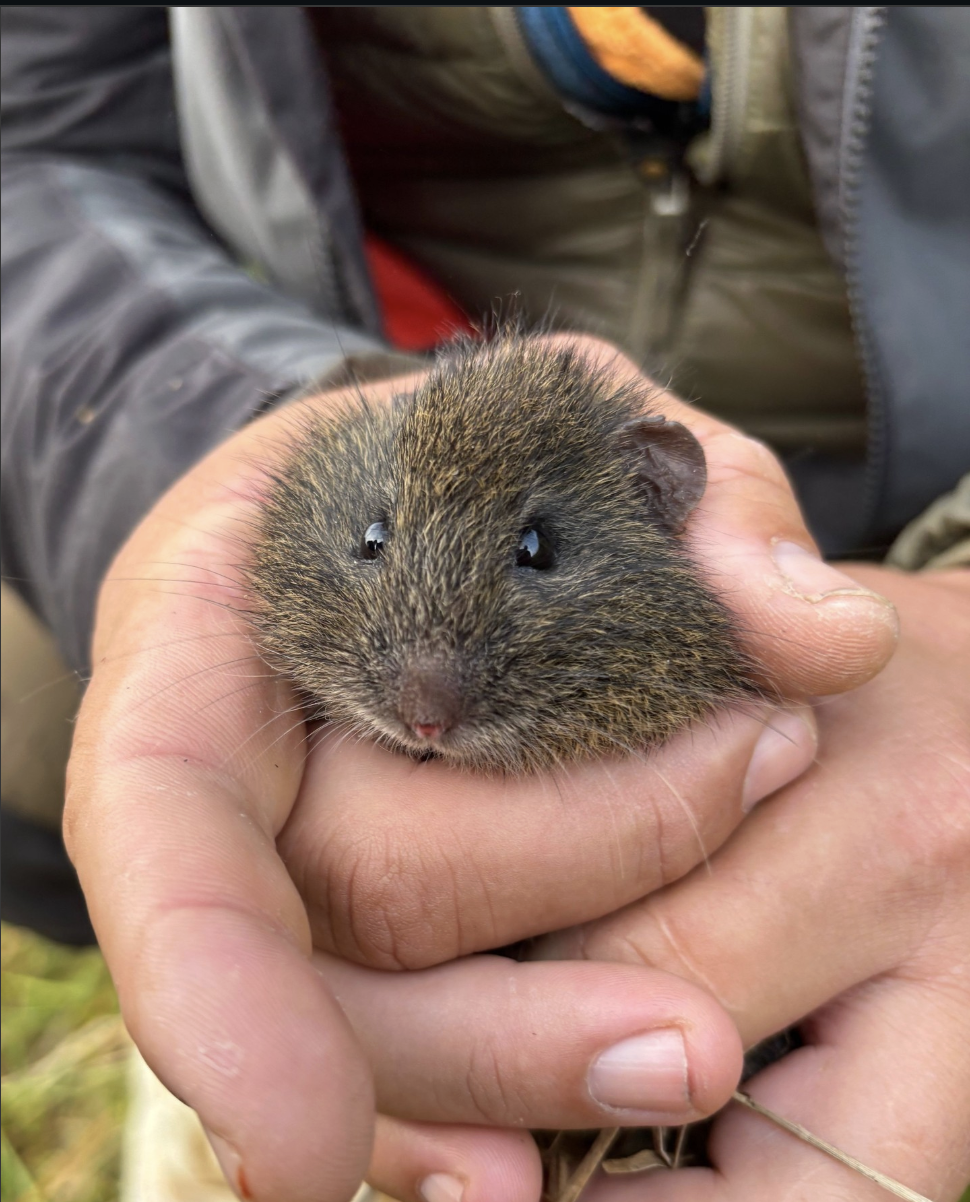
So why do people call them the pygmy wombat? A worker at the Aussie Ark gave them that nickname because of how different these creatures are from rats. Because they need so much help to survive, he wanted a name that reflected its sweet nature and cute appearance. There are a lot of people who don’t like rats, and he didn’t want these animals to get a bad reputation (even though rats ARE cute, smart, and make great pets!).
One reason the broad-toothed rat is endangered is because its habitat, the place it lives, is shrinking. Long ago, southeast Australia used to have much bigger grasslands, which are the perfect places for these animals to live. They are herbivores, which means they only eat plants, and they use grass, wildflowers, and moss not just as food, but for nesting material to make their homes as well. Over the past several thousand years, however, more bushes and trees have been growing in the area, making it better for forest creatures rather than grassland creatures. When new creatures move into an area, they can out-compete animals that already live there. The new arrivals might eat more food or use spaces that the broad-toothed rats once used for their homes. That’s not the new animals’ fault, it’s just how nature works. But it does make life harder for the broad-toothed rat.
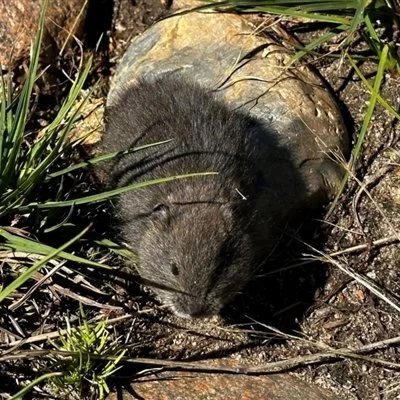
People can help these animals, though. They can help preserve the existing grasslands so all the animals have places to live. They can support organizations like Aussie Ark by sharing links to their website or YouTube channel so that other people learn about these adorable animals and others. And they can talk to their friends and family about how important it is to keep the wilderness clean and preserved so our animal friends can survive. Can you think of any other ways people might be able to help? Let me know in the comments!